Is Your 3D Print Food Safe? What Every Singapore Customer Should Know
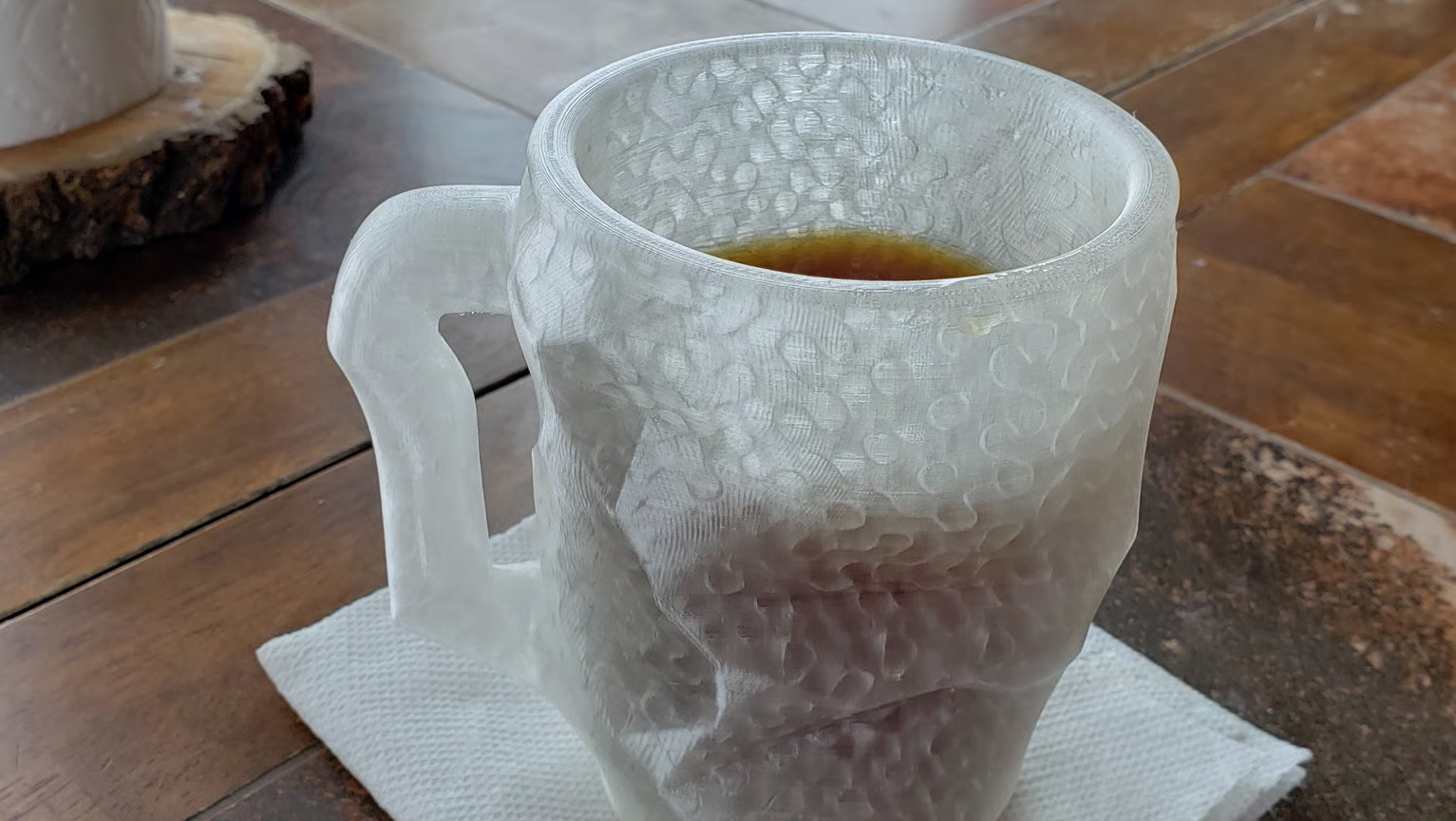
In the world of FDM 3D printing, it is easier than ever to produce custom cookie cutters, lunchbox dividers, reusable cups, and more. But there is a common question that customers often ask us: Can I safely use this part with food?
The short answer? It depends. In this post, we will break down what "food safe" really means in the context of 3D printing, which materials you can (and should not) use, and what to watch out for when safety matters.
What Makes a Material Food Safe?
A food-safe material does not just avoid toxic ingredients — it also resists bacteria build-up, does not degrade with moisture or heat, and will not leach chemicals into your food. For a 3D print to be truly food safe, the material, printing process, and post-processing all matter.
Fun fact: A material certified as food safe in pellet form can lose that status once it is extruded into filament or printed due to additives, colourants, or nozzle contamination.
Materials That Can Be Food Safe (With Conditions)
Some materials may be suitable for limited or indirect food contact, especially when combined with good printer hygiene and sealing methods. However, true food safety depends on more than just the filament label.
Not all materials marketed as "food-safe" are created equal. Only a handful of manufacturers certify their filaments to meet food-contact regulations. These certified options tend to cost more and are typically used in commercial food-service applications. For everyday or hobby use, natural-colour or pigment-free filaments are safer bets — but still benefit from sealing.
These materials are commonly considered food-safe — when handled properly:
- PLA: Some brands offer food-safe PLA, but it is heat-sensitive and not ideal for repeated washing or hot items. Avoid if the item will be exposed to high temperatures.
- PETG: Good chemical resistance and often used in food containers. Choose filament clearly labelled as food-safe and avoid anything with recycled content or pigment additives.
- PP (Polypropylene): Naturally food-safe, but difficult to print and not widely used in standard FDM setups.
- Nylon: Some grades are safe, but its porous nature makes it prone to bacterial growth unless properly sealed.
Always check that the filament is labelled as food-safe by the manufacturer.
Materials to Use with Caution or Avoid for Food Use
Some materials — while potentially food-grade in raw form — may not be suitable for FDM use due to additives, printing temperatures, or challenges in post-processing.
- ABS: While some sources suggest ABS can be food-safe in theory, in practice it is best avoided due to the likelihood of chemical additives, high printing temperatures, and difficulty in post-processing. Its surfaces are harder to seal effectively.
- ASA: UV resistant, but contains similar risks as ABS.
- Composites: Avoid woodfill, metalfill, carbon fibre blends, and glow-in-the-dark filaments — none are food safe.
Even if a filament is food-safe, a printer nozzle previously used for composites or ABS may contaminate the part.
The Real Risk: Surface Finish, Cleanability & Bacterial Growth
Even with the right material, FDM prints are inherently layered and porous. These ridges and crevices can trap food particles and harbour bacteria — even after washing — especially in corners or on rough internal surfaces.
We often advise against using FDM prints for direct food contact unless the part is post-processed or used once and discarded. For parts intended for repeated use, microbiological cleanability is essential. This means avoiding crevices, ensuring smooth transitions, and designing parts with sufficient visibility and accessibility for thorough cleaning. Consider slopes for self-drainage and large-radius internal corners (¼" or more). Why?
- Microscopic gaps between layers
- Inaccessible corners that are hard to clean
- Possible nozzle residue or cross-contamination
For cookie cutters or moulds, one-time use or lining the surface (e.g. with cling wrap or parchment paper) is a safer option.
Making It Safer: Post-Processing Techniques
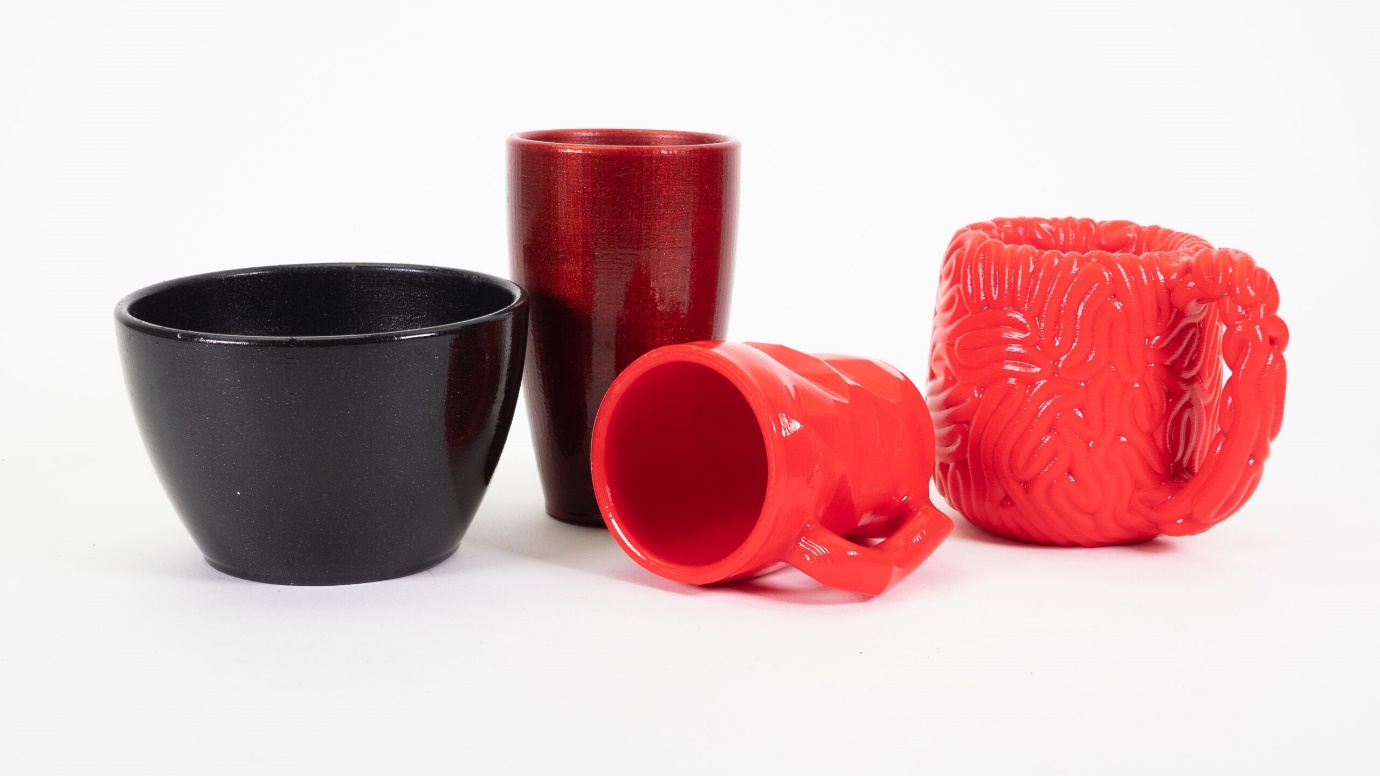
Even the best filament and printer setup will not make a print food-safe without a proper surface coating. FDM prints always have gaps between layers that bacteria can colonise — even at 100% infill or with the smoothest layer height. The only effective way to make an FDM part food-safe for repeated use is to seal the surface.
If you still need to make an FDM part food-safe for direct or repeated food contact, here are some practical steps you can take:
- Smooth the surface: Sand and polish to remove gaps. Consider chemical smoothing (not suitable for all materials).
- Seal the part: Apply a food-safe coating to form a non-porous barrier. Recommended products include certified food-safe coatings like ArtResin epoxy, Permabond ET5143, and Howard Wax-It-All wax. However, always verify certification for commercial use, especially if selling food-grade prints.
- Use a dedicated nozzle: Print only food-related parts on a separate hotend with no history of exotic or toxic materials.
We can offer surface smoothing and priming on request, but for food-contact parts, we will also advise whether the item should be made using another method — and remind you that resin-coated parts may still have limitations, including reduced wear and heat resistance.
Our Policy: Safety First
As a small local print shop, we take every customer query seriously. If you are planning to use your 3D printed part with food, let us know up front. We will:
- Review the application with you
- Suggest suitable materials
- Recommend protective post-processing
- Tell you honestly when a printed part is not the right solution — even if the material is listed as food-safe
Thinking About a Food-Related Project?
From custom stamps and cookie cutters to dispensers and reusable cups — we have worked with Singapore customers on all kinds of creative food-adjacent projects. Some items can be safely printed. Others are better handled with CNC, casting, or off-the-shelf alternatives.
Ask us first. We are happy to help you make the right call.